A lease option, by the numbers. One sample deal, from signing to the end.
In our sample lease option, the price is $379,500, the option fee is $11,385 and $580 of each $2,300 rent payment is credited, over 36 months. If the buyer buys at the end, $32,265 comes off the price. If not, under this sample agreement the owner keeps it. Illustrative numbers only.

- $379,500Purchase price, fixed at signing for the whole option termIron Stake, Illustrative sample listing
- $11,385Option fee paid at signing, 3% of the price, credited in full if the buyer buysIron Stake, Illustrative sample listing
- $32,265Option fee plus rent credits after 36 months, if every payment is on timeIron Stake, Illustrative sample listing
The sample deal
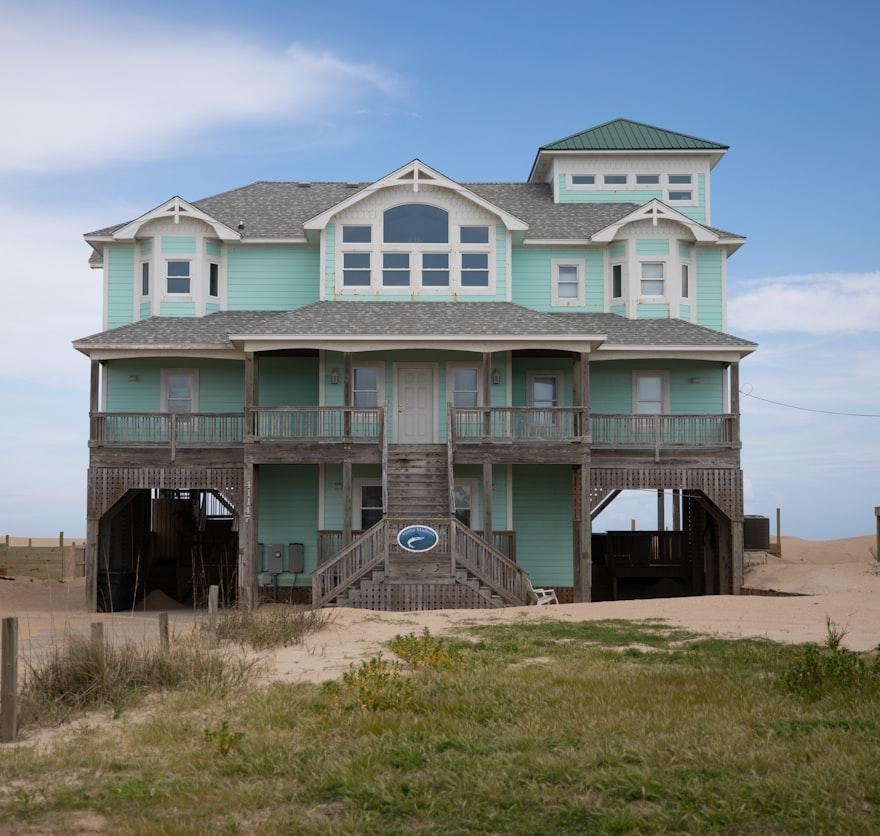
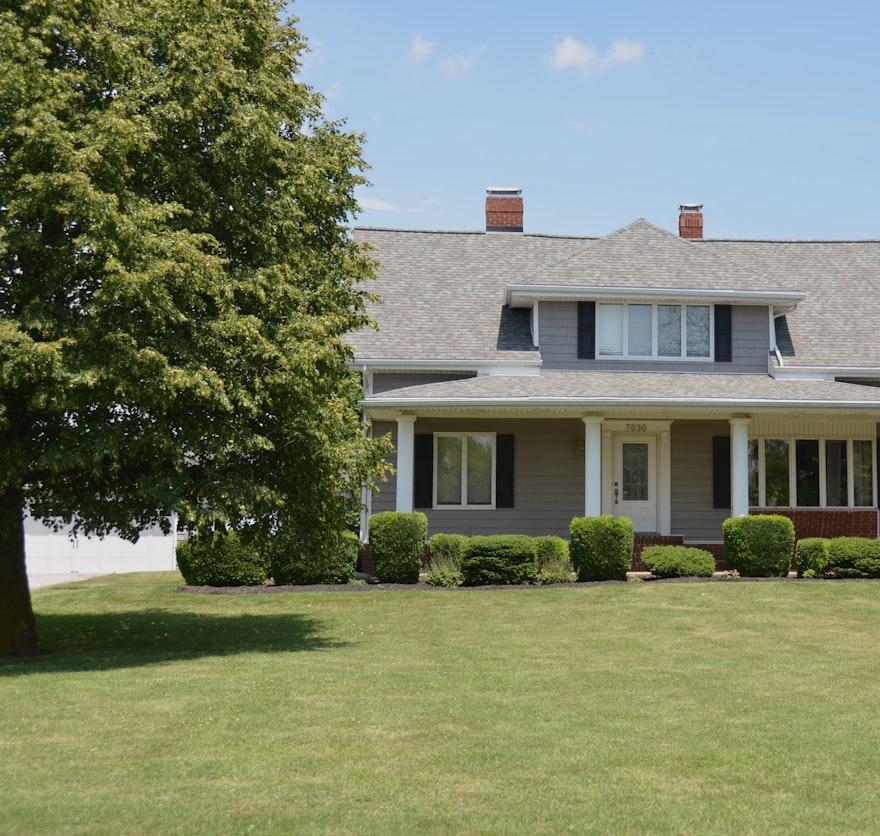
Every number below comes from our sample listing, a two-bedroom craftsman bungalow in Asheville, North Carolina. It is an illustrative example, not a property offer, and real deals set their own numbers. But walking through one deal from signing to the end shows how the pieces fit.
| Purchase price | $379,500, fixed at signing |
|---|---|
| Option fee | $11,385, paid at signing |
| Monthly rent | $2,300 |
| Monthly rent credit | $580 of each rent payment |
| Option term | 36 months |
- Agree the priceYou and the tenant-buyer agree the purchase price at the start. They pay a one-time option fee.
- Rent, with a creditThey pay monthly rent. Part of it can be credited toward the price if the agreement says so.
- Buy, or notBefore the option ends, they can buy at the agreed price. If they do not, the agreement decides what happens to the fee and credits.
At signing: the option fee
The tenant-buyer pays $11,385 up front, 3% of the price. It pays for the right to buy the home at $379,500 at any point in the option term, however the market moves.
In this sample, the whole fee counts toward the price if the buyer buys. Not every agreement works that way: the agreement says how much the fee is, whether it is credited, and what happens to it if the buyer does not buy.
Every month: rent, with a credit
The buyer pays $2,300 a month in rent. Of that, $580 is credited toward the price for every month paid on time. A late payment can put the credits at risk; the agreement, and in some states the law, sets how much notice the buyer gets and how they can put it right.
Illustrative sample listing. The credit counts only if the buyer buys.
The credit is not a deposit the buyer can take back. It is a discount on the price that applies only if they buy, as the agreement sets out.
How it adds up over 36 months
Over the full term, the owner receives $82,800 in rent, of which $20,880 is credited. Add the option fee and, if every payment is on time, $32,265 counts toward the price by the end.
Illustrative sample listing.
At the end: two ways it can go
Before the 36 months are up, the buyer gives 60 days’ written notice if they want to buy. They will usually need a mortgage for the rest, so the option does not make the sale certain.
- They buyThey pay $347,235 at closing: the $379,500 price less the $32,265 already credited. The owner sells at the price agreed three years earlier.
- They don’tUnder this sample agreement, the owner keeps the option fee and the credits, and the home is theirs to rent or sell again.
The second outcome is why the option fee and credits are the terms to read most closely. A buyer should know before signing that they can lose them; an owner should know the home may come back to them at the end.
What the numbers leave out
The sample shows the money between buyer and owner. It leaves out the owner’s own costs while they still own the home: mortgage, property tax, insurance and upkeep. In the sample, the tenant-buyer pays repairs under $400 per incident and the owner pays larger ones, plus the roof, HVAC and structure. Closing costs, title insurance and attorney fees come on top for both sides.
Tax is another question for an adviser. Under a lease with an option to buy, the IRS generally treats the payments as rent until the buyer exercises the option (IRS Publication 527); how the option fee is taxed depends on whether the buyer buys.
In North Carolina, the law sets some terms
The sample home is in North Carolina, where an option to buy signed with a lease of the buyer’s own home is covered by Chapter 47G of the General Statutes. Among other things, the contract must be in writing with set terms, the buyer can cancel within three business days of signing, the seller must record it within five business days, and the buyer must get at least 30 days’ notice, with a chance to put a default right, before losing their option. The notice and cure rule applies whatever the agreement says.
Other states have their own rules, so have an attorney licensed in your state draft or review the agreement before anyone signs or pays an option fee.
Set your own numbers
On Iron Stake, every listing shows its price, option fee, rent, credit and term before anyone gets in touch. Try different numbers in the rent credit calculator, read the eight terms every agreement should define, and see the full sample listing.
Sources
- Iron Stake, Sample listing: 218 Cumberland Avenue, Asheville NC (illustrative example, not a property offer), .
- North Carolina General Assembly, Chapter 47G: Option to Purchase Contracts Executed with Lease Agreements, .
- Internal Revenue Service, Publication 527 (2025), Residential Rental Property, .
General information, not legal, tax or financial advice. Rules for rent-to-own and lease-option agreements vary by state, so talk to your own attorney or adviser before you sign anything. See how we write these articles.