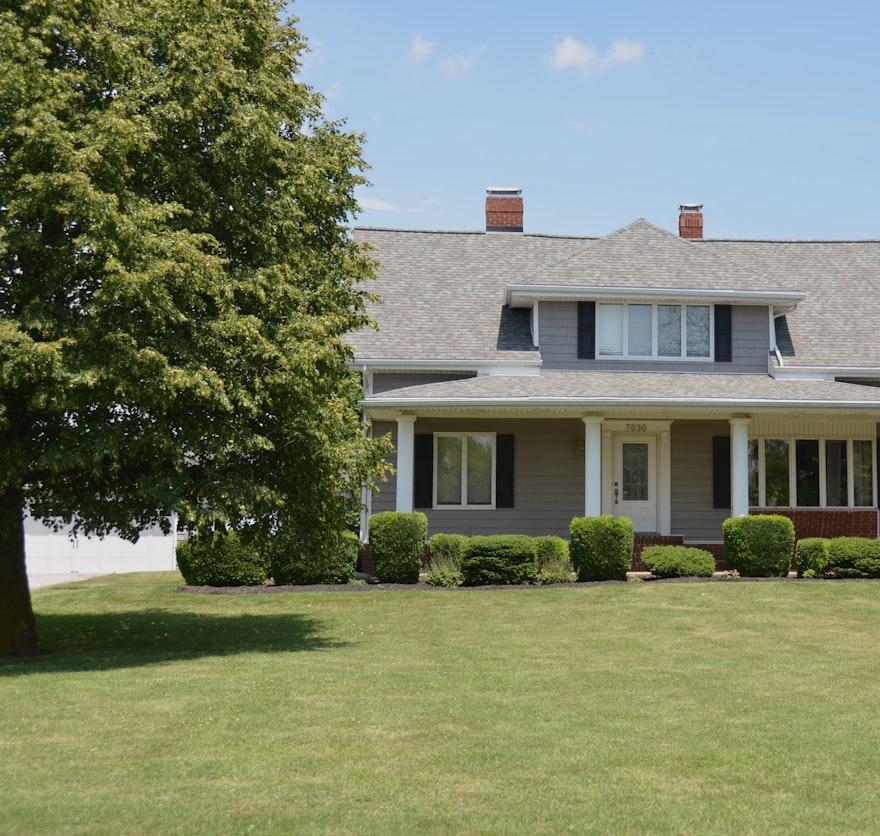
Sell now, rent it out, or rent-to-own? The same house, three ways.
If you are ready to move on from a house, you can sell it now, rent it out and sell later, or offer it rent-to-own. Selling brings the money at closing at today’s price; renting brings monthly income but no sale; rent-to-own brings an option fee, rent and a price agreed today, but not a sure sale.

- 35 daysMedian time an existing home spent on the market, up from 34 days a year earlierNational Association of Realtors, October 2026
- 20.5%Share of listings with a price cutRealtor.com Economic Research, October 2026
- 7.6%National rental vacancy rate, up from 7.1% a year earlierUS Census Bureau, third quarter of 2026
Three ways to move on from a house
If you are ready to move on from a house, you can sell it now, rent it out and sell later, or offer it rent-to-own. None is right for everyone. They differ in when the money comes, what you do in the meantime, and who sets the price.
- Sell nowThe money comes at closing, at today’s price. Then you are done.
- Rent it outRent every month. You stay the landlord and sell later, at the market then.
- In betweenRent-to-ownAn option fee up front, rent every month, and a price agreed today, in writing.
| What you get | Sell now | Rent it out | Rent-to-own |
|---|---|---|---|
| Money now | Sale proceeds at closing | A deposit you hold | An option fee |
| Every month | Nothing | Rent | Rent, part of it credited if agreed |
| The price | Today’s market | The market when you sell | Agreed today, in writing |
| You are | Done at closing | The landlord, as long as you rent | The owner and landlord until they buy |
| It ends | At closing | When you decide to sell | They buy, or the option ends |
Sell now
Selling now turns the house into money at closing and ends your costs. The catch is today’s market. The median existing home took 35 days to sell in October 2026 (National Association of Realtors), and 20.5% of listings had a price cut that month (Realtor.com). Every cut and every selling cost comes off what you take home.
It suits you if you need the money for your next home, or simply want to be done.
Rent it out, sell later
Renting keeps the house and brings in rent, which can cover the mortgage and costs. You become a landlord: you find and screen tenants, handle repairs and pay for the months it sits empty. The national rental vacancy rate was 7.6% in the third quarter of 2026, and 9.2% in the South, the highest of the four regions (US Census Bureau). And when you do sell, the price is whatever the market is then.
Two tax points to raise with an adviser. Rent is taxable income (IRS Topic 414). And if the house was your home, you can usually exclude up to $250,000, or $500,000 for a married couple filing jointly of the gain when you sell only if you owned it and lived in it for at least two of the five years before the sale (IRS Publication 523). Renting it out for years can use up that window, and the part of the gain equal to depreciation you could claim while renting cannot be excluded.
Rent-to-own: the price set today
With a lease option, the tenant-buyer pays an option fee up front and rent each month, and can buy at the price you agree at signing. You get money now, income while you wait and a price in writing. In return, you give up any rise in value over the option term, and you stay the owner, and usually the landlord, until closing.
It is not a sure sale: the buyer may decide not to buy, or may not get a mortgage in time. The agreement decides what happens to the option fee and credits if so. State law can add rules of its own: in North Carolina, an option to buy signed with a lease of the buyer’s home is covered by Chapter 47G. See how one sample deal adds up on our sample listing.
Which fits you?
Rent-to-own is worth a look if:
- you do not need the sale money right away;
- you can be a landlord for a few years;
- your lender, insurer and HOA allow it (see six things to check first);
- you can name a price you would still accept when the option ends.
If you need the money now, selling is usually the better fit. If you want to keep the house as an investment, renting may be. Talk to your own attorney and tax adviser before you decide, and read the eight terms every agreement should define.
Sources
- National Association of Realtors, Existing-Home Sales Decreased 5.5% in October, .
- Realtor.com Economic Research, October 2026 Monthly Housing Market Trends Report, .
- US Census Bureau, Quarterly Residential Vacancies and Homeownership, Third Quarter 2026, .
- Internal Revenue Service, Topic no. 414, Rental income and expenses, .
- Internal Revenue Service, Publication 523 (2025), Selling Your Home, .
- North Carolina General Assembly, Chapter 47G: Option to Purchase Contracts Executed with Lease Agreements, .
General information, not legal, tax or financial advice. Rules for rent-to-own and lease-option agreements vary by state, so talk to your own attorney or adviser before you sign anything. See how we write these articles.